About Topcom 2026
TOPCOM - International Emergency & Disaster Management Conference
The TOPCOM International Emergency & Disaster Management Conference is a long-standing academic and professional platform dedicated to advancing emergency medicine, trauma care, disaster preparedness, and humanitarian response. Established in 2013 in Kuala Lumpur, TOPCOM originated as an innovative initiative by the Emergency and Trauma Department of Hospital Selayang, in collaboration with the Malaysian Red Crescent Society and other interagency cooperation , with the objective of strengthening disaster Preparedness and response through education, communication, and simulation-based training.
TOPCOM, an acronym for Table Top Exercise and Communication in Disaster Medicine, was founded to address the critical need for integrating scientific knowledge with operational preparedness. Unlike conventional medical conferences, TOPCOM was conceptualized as a comprehensive learning ecosystem that combines didactic sessions, hands-on workshops, and structured Table Top Exercises (TTX) to evaluate decision-making, leadership, and inter-agency coordination during complex disaster scenarios.
From its inception, the conference has emphasized multidisciplinary and multi-agency collaboration, bringing together healthcare professionals, first responders, disaster managers, humanitarian workers, and policy stakeholders. Its scope spans a broad spectrum of emergency and disaster medicine, including mass casualty management, trauma systems, pre-hospital care, critical care, sports medicine, tactical medicine, wilderness medicine, tourism medicine, Humanitarian medicine, Maritime medicine, CBRNE preparedness, psychosocial support, disaster communications, and aviation medicine. As it moves toward TOPCOM 2026, the conference remains committed to bridging science, practice, and collaboration in the evolving field of emergency and disaster management.
History of TOPCOM
The TOPCOM International Emergency & Disaster Management Conference represents one of Malaysia’s longest-standing and most structured academic platforms dedicated to emergency medicine, trauma care, disaster preparedness, and humanitarian response. The conference traces its origins to 2013, when it was first conceptualized and organized in Kuala Lumpur as a pioneering initiative by the Emergency and Trauma Department of Hospital Selayang, in collaboration with the Malaysian Red Crescent Society.
The founding vision of TOPCOM was rooted in a recognized gap between theoretical disaster preparedness and operational readiness during real-world emergencies. At its inception, TOPCOM was designed not merely as a conventional scientific meeting, but as an integrated learning ecosystem combining academic discourse, practical training, and system-level testing. The acronym TOPCOM, which stands for Table Top Exercise and Communication in Disaster Medicine, reflects this core philosophy by emphasizing the critical role of communication, coordination, and decision-making in complex disaster environments.
From the outset, TOPCOM aimed to strengthen disaster response capabilities by fostering multidisciplinary and multi-agency collaboration. The conference was structured to bring together professionals from diverse backgrounds, including emergency physicians, trauma surgeons, anesthetists, intensivists, paramedics, nurses, public health specialists, disaster managers, humanitarian workers, and policy stakeholders.
The primary objectives of TOPCOM include:
● Enhancing mass casualty and trauma management preparedness
● Promoting inter-agency communication and command-and-control systems
● Advancing evidence-based emergency and disaster medicine
● Facilitating simulation-based learning through structured Table Top Exercises (TTX)
● Encouraging innovation and knowledge exchange across local, regional, and international settings
These objectives are consistently reflected in the conference design, ensuring relevance to both clinical practice and disaster governance frameworks.
Over the years, TOPCOM has evolved from a nationally focused initiative into a recognized international disaster medicine conference, attracting participants and faculty from across Asia, Europe, North America, the Middle East, and Australasia. International speakers from countries such as the United States, United Kingdom, Australia, Canada, Singapore, India, China, and others have contributed expertise spanning clinical care, disaster leadership, humanitarian operations, and crisis communication.
As the conference matured, its scope expanded to address both natural and man-made disasters, including:
● Mass casualty incidents
● Major trauma and surge management
● Chemical, Biological, Radiological, Nuclear and Explosive (CBRNE) events
● Public health emergencies
● Complex humanitarian crises
● Psychosocial impact and community resilience
● Disaster communications and media management
This expansion reflects TOPCOM’s responsiveness to emerging global threats, evolving hazard profiles, and lessons learned from real disaster events.
Conference Structure and Educational Model
A defining feature of TOPCOM is its hybrid educational model, which integrates:
1. Pre-conference medical and trauma workshops, focusing on skill-based and scenario-driven training such as pre-hospital care, wilderness medicine, radiation emergencies, ultrasound in disaster settings, critical care workshops, and humanitarian response principles.
2. Table Top Exercises (TTX) conducted over multiple days, designed to test preparedness plans, inter-agency coordination, leadership decision-making, and communication under simulated disaster conditions.
3. Scientific sessions and expert lectures, where national and international speakers present contemporary research, operational experiences, and policy perspectives in emergency and disaster medicine.
The TTX component, in particular, has become a hallmark of TOPCOM, providing participants with a safe but realistic environment to explore system vulnerabilities, decision bottlenecks, and coordination challenges without real-world consequences.
National Support and Inter-Agency Engagement
Throughout its history, TOPCOM has received strong institutional and operational support from first responder agencies and emergency stakeholders across Malaysia. The conference has consistently emphasized collaboration between healthcare institutions, emergency services, civil defence, fire and rescue units, humanitarian organizations, and disaster management authorities. This multi-agency engagement reinforces TOPCOM’s role as a national platform for disaster preparedness dialogue and capability building.
Academic and Global Integration
TOPCOM’s academic standing has been further strengthened through its alignment with international emergency medicine and disaster medicine networks, contributing to global discussions on preparedness, resilience, and response systems. By linking local experiences with global expertise, TOPCOM facilitates bidirectional learning, ensuring that regional challenges inform international practice and vice versa.
Impact and Continuing Legacy
Since its establishment, TOPCOM has contributed significantly to:
● Capacity building in emergency and disaster medicine
● Improved understanding of mass casualty management
● Enhanced awareness of CBRNE and complex disaster risks
● Strengthened professional networks across borders
● Development of future leaders in emergency and humanitarian medicine
Today, TOPCOM stands as a sustained, evolving platform that bridges science, practice, and policy. Its continued relevance lies in its commitment to realistic training, interdisciplinary collaboration, and global engagement, positioning it as a cornerstone conference in the field of emergency and disaster management as it moves toward TOPCOM 2026 and beyond.The theme for 2026 is TROPICAL ,TOURISM AND TRAUMA MEDICINE
Gallery
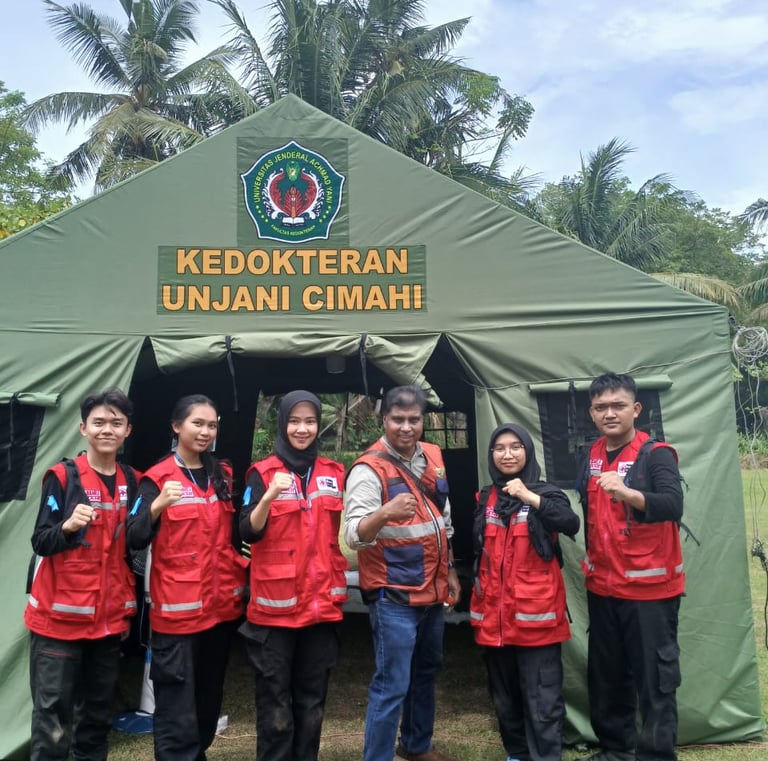
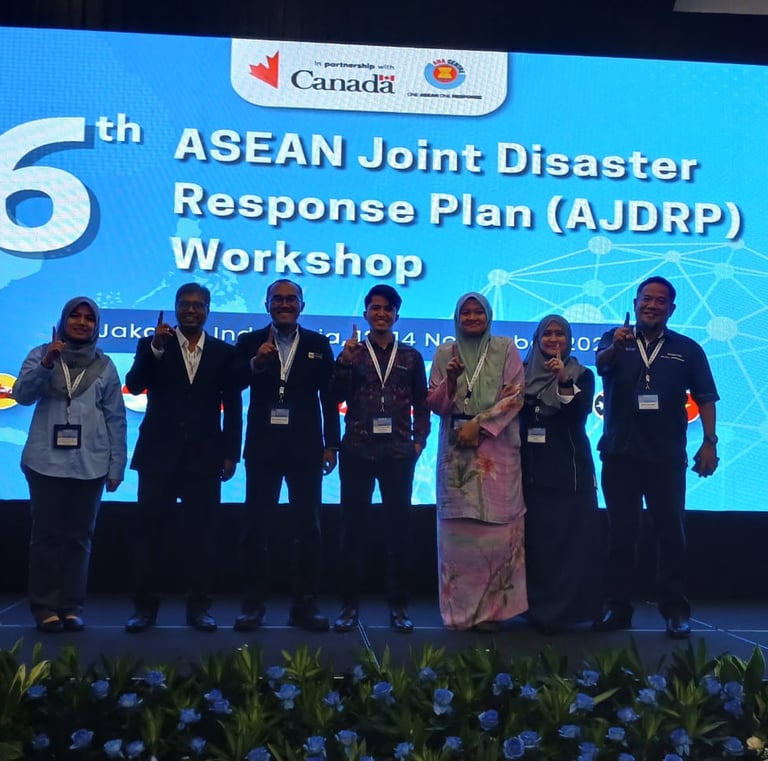
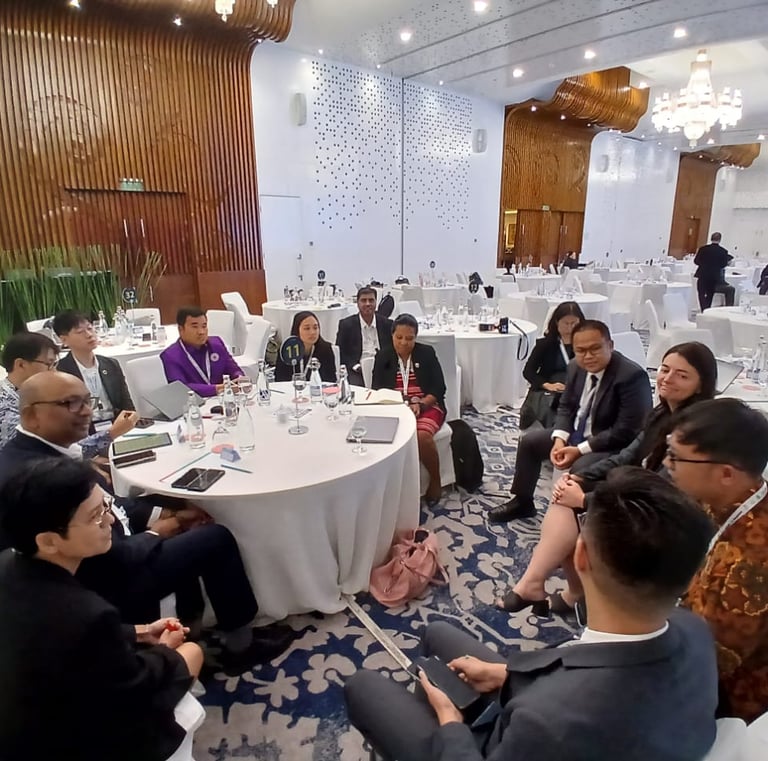
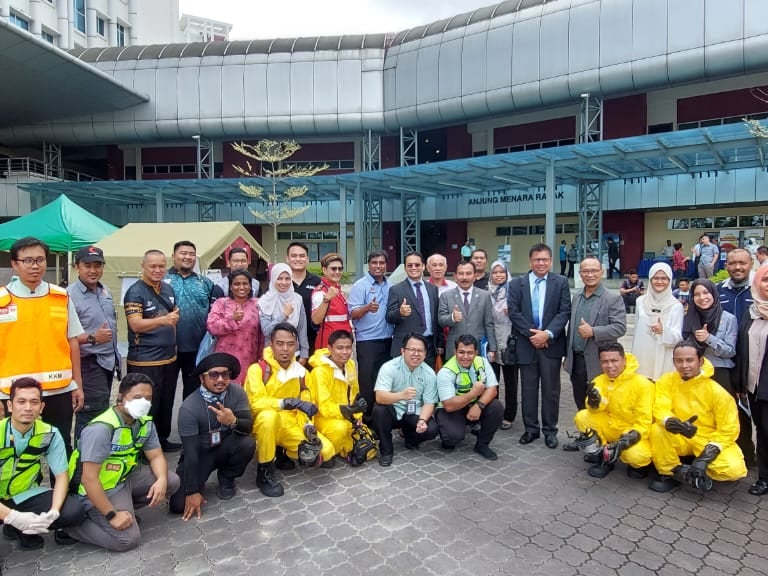
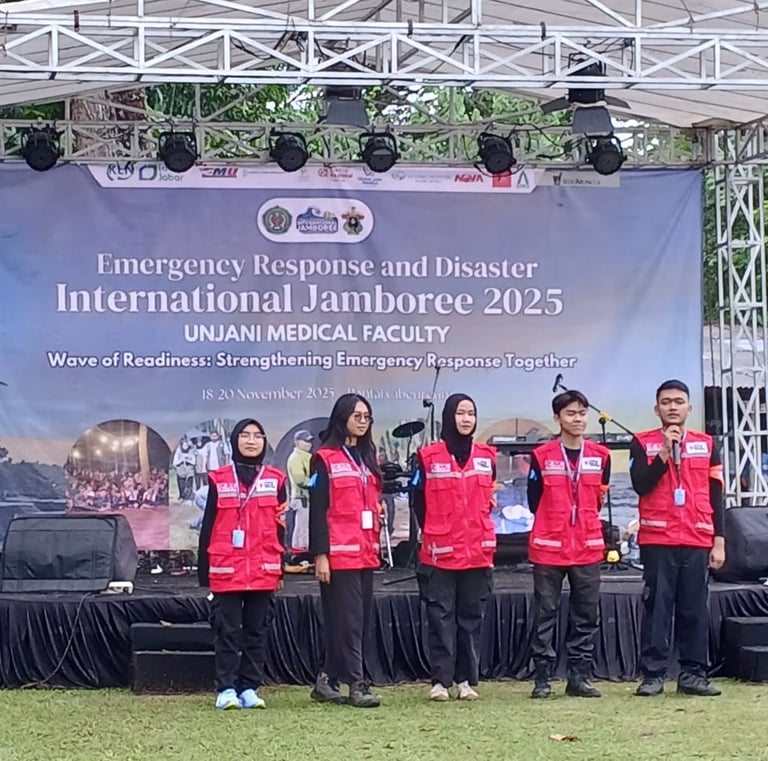
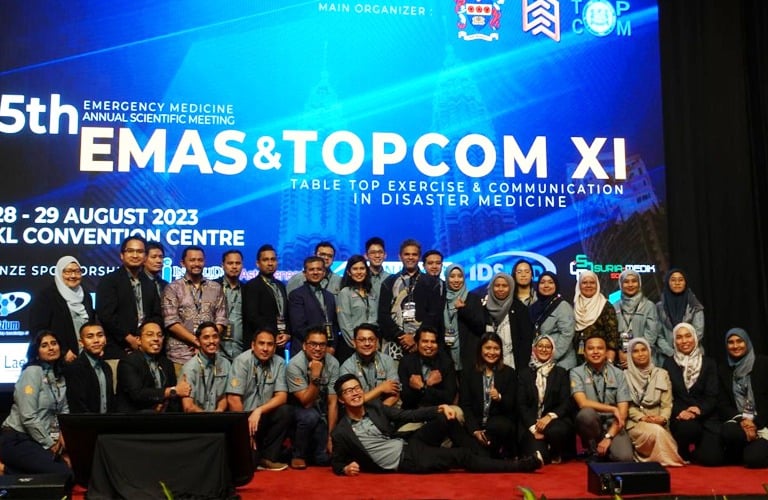
Snapshots capturing moments from past conferences.